Watch used oil drain during a service, and it doesn't look like much. Yet that same oil has spent the last few months reaching bearings, carrying contamination, and moving heat away from busy parts inside the engine. It does far more than stop metal from rubbing.
Those jobs happen together as the oil circulates. Keeping enough of the correct oil in the engine, then replacing it on schedule, gives it the best chance of continuing that work throughout the interval.
Engine Oil Keeps Moving Surfaces Apart
Bearings and other moving surfaces rely on a thin film of oil between them. That film helps carry the load while limiting direct metal contact. The oil has to flow when the engine is cold and still protect surfaces once it's hot and working harder.
Why not use the thickest oil available? The engine's clearances, pumps, and oil-operated controls are designed around a required lubricant. We choose the viscosity and approval for the exact engine. A different grade isn't automatically an improvement, even if the bottle makes it sound stronger.
Engine Oil Carries Heat Away From Internal Parts
Oil picks up heat as it passes through bearings and other areas that coolant doesn't directly reach. Some engines spray oil toward the underside of the pistons, while others also use an oil cooler to transfer heat away. Details vary, but moving oil helps manage internal temperature. It doesn't replace coolant or repair an overheating fault. We check the complaint that actually brought the temperature up, including leaks and circulation problems. A low oil level also leaves less lubricant to circulate, so it's another reason to check between oil changes.
Oil Holds Contamination So It Can Be Removed
Combustion leaves small amounts of contamination inside the engine. Detergent and dispersant additives help limit deposits and keep certain contaminants suspended. As the oil moves through the filter, the filter captures particles within its filtering ability.
Does dark oil always mean it's worn out? Oil often darkens during normal use, and color alone doesn't indicate remaining service life. We use the maintenance history and driving conditions to plan replacement. Oil that looks fairly clean still might be due by time or mileage.
Oil Additives Protect More Than the Bearings
The complete oil formulation helps control wear, oxidation, corrosion, and deposits. Those properties have to keep working through repeated heating and cooling. Additives don't last forever, and a filter can't restore the oil's chemistry once it has deteriorated.
That's why an oil change includes fresh oil as well as the required filter. A top-off only replaces the amount missing. Most of the used lubricant and its contamination stays in the engine, so adding oil doesn't restart the service interval. Keep the date and mileage from the last complete change.
How to Check Engine Oil at Home
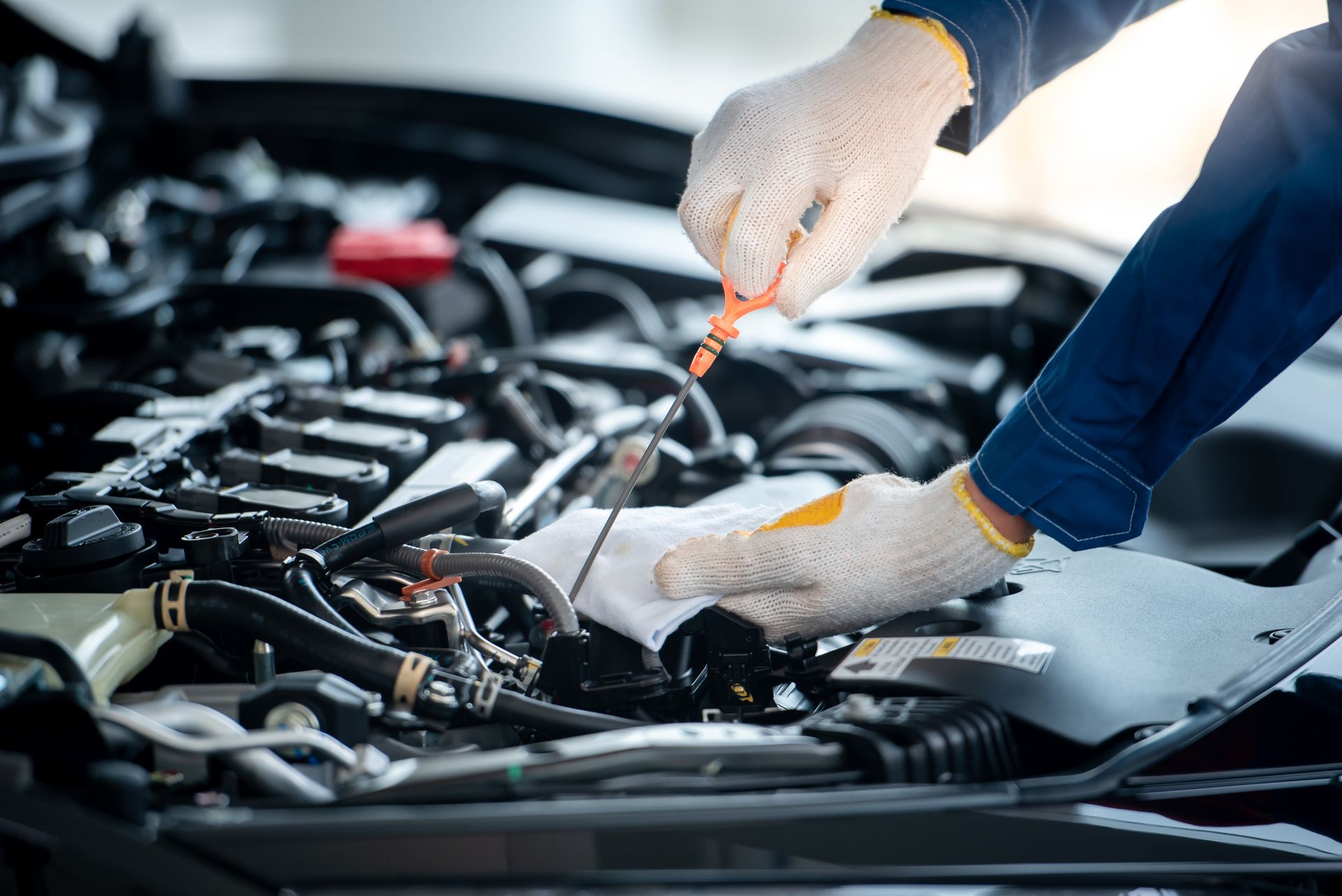
Park on level ground and check the manual for the engine temperature and waiting time. With a dipstick, pull it out and wipe it clean, insert it fully, then remove it again to read the level. If your car uses an electronic display, follow its measuring instructions.
When checking the level:
- Use the marked range for your engine
- Add only the required oil specification
- Pour in small amounts and recheck
- Avoid filling above the maximum mark
- Record repeated top-offs or a rising level
Be careful around hot parts and leave the engine off for any hands-on check unless the vehicle's procedure specifically says otherwise. Don't guess at a universal capacity from another engine.
Oil Changes Should Fit the Engine and Its Use
What happens if most drives are short errands? The oil might spend little time fully warm, leaving more moisture and fuel contamination behind. Towing, idling, and other demanding use also change the service guidance on some vehicles. We review that routine alongside the mileage and time limit.
Mention new rattles, leaks, or a burning smell during booking. We check those concerns separately from routine replacement. If an oil-pressure warning appears with the engine running, pull over safely and shut it off. Fresh oil later won't undo wear caused by continuing with inadequate pressure.
Oil Change Service at Auto Source Of West Michigan in Coopersville, MI
Auto Source Of West Michigan in Coopersville, MI, can match oil and filter service to your engine and review top-offs, leaks, or warning messages.
Bring the previous service record to your next oil change so the interval and product stay clear.